You found a century-old farmhouse with good bones and a good price, and now you're asking the right question: what is this actually going to cost me?
The honest answer: more than the photos suggest, but probably less than your worst-case fear — if you understand where the money goes and sequence the work correctly. Let's break it down.
What a Bathroom Addition Actually Costs
Adding a full bathroom to an existing home is one of the most expensive things you can do per square foot. In the Southeast (Georgia included), expect to spend $15,000–$35,000 for a basic full bath depending on where the plumbing rough-in lands.
The cost swings wildly based on one thing: proximity to existing plumbing. If you're adding a bath directly above or adjacent to existing supply and drain lines, you're on the lower end. If you're running new lines through old floors across the house, the cost creeps toward the top.
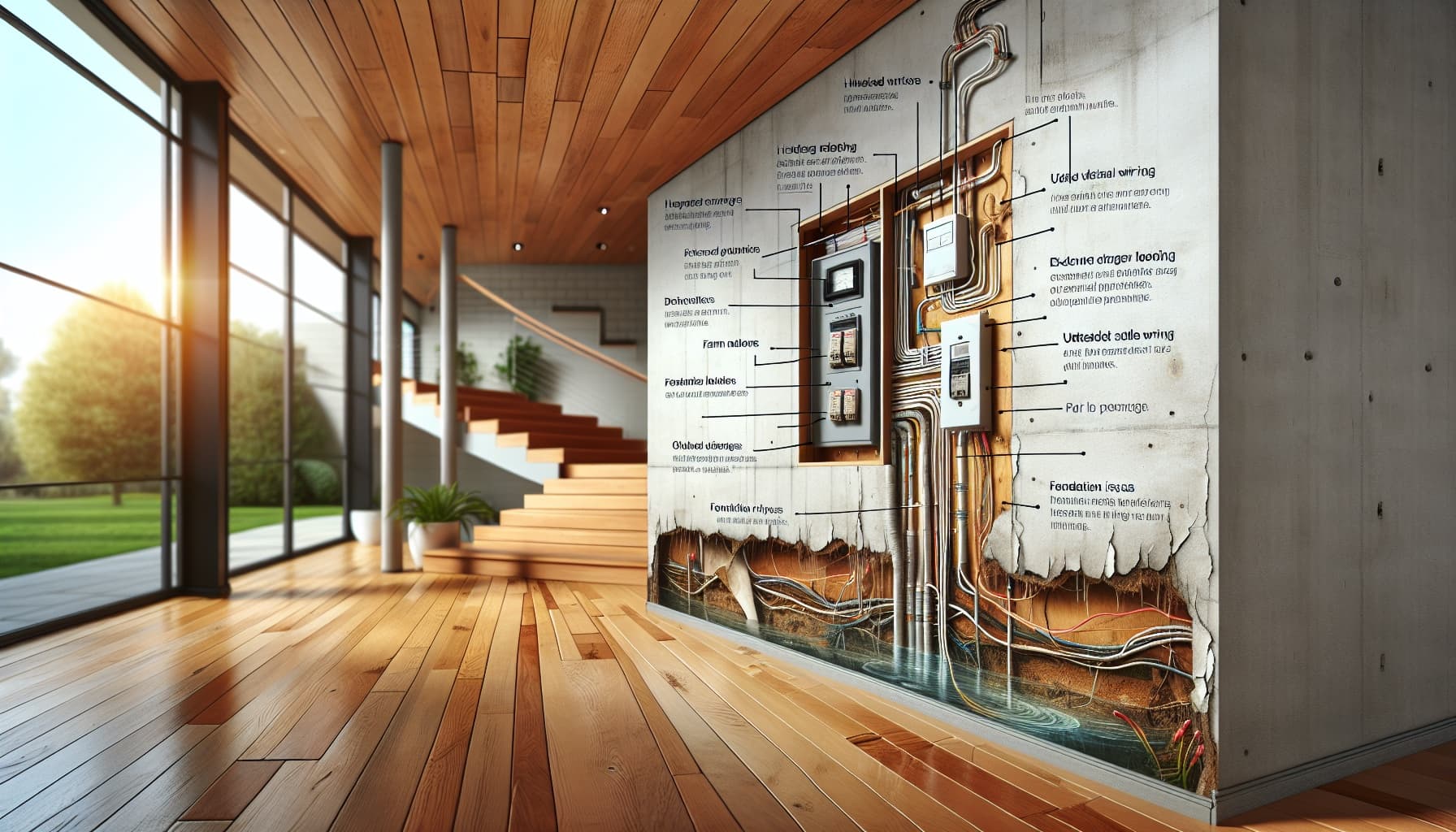
For a home this age, also budget for surprises inside the walls: galvanized supply pipes that need replacing, cast iron drain lines that need spot repairs, and subfloor that may need reinforcement to carry the new fixture weight. None of these are dealbreakers — they're just line items to build in.
Extending Central Air to Unconditioned Rooms
HVAC extension is similarly variable. If your existing system has enough capacity to handle the additional square footage, you're looking at $1,500–$4,000 per room to extend ductwork. If the system is undersized, you may need to upsize the unit first — add another $4,000–$8,000 for an equipment swap.
For a 4,400 sq ft house, a more honest scenario is a dedicated mini-split system for the unconditioned rooms. A single-zone ductless mini-split runs $2,000–$5,000 installed and gives you independent climate control without touching the existing system. For a historic home with challenging ductwork runs, mini-splits are often the smarter answer — they're efficient, less invasive, and don't require tearing open walls or ceilings.
Pre-1978 Homes and Lead Paint: What You're Actually Dealing With
Any home built before 1978 is assumed to have lead-based paint somewhere. This doesn't mean you need to strip every surface immediately — intact, well-adhered lead paint that's not being disturbed is generally fine.
What it does mean:
- Any sanding, scraping, or demolition triggers EPA RRP (Renovation, Repair, and Painting) rules — you need a certified contractor or must follow certified protocols
- Test before you gut — a lead paint test kit runs $10 at a hardware store; certified testing is $200–$500 for a full report
- Disclosure matters — if you ever sell, this needs to be documented
Budget $1,500–$10,000+ for lead remediation depending on scope. A full encapsulation (painting over with approved products) is cheaper than full abatement (physical removal). Work with a certified contractor to understand your options room by room.
What to Tackle First in a Home This Age
If you're phasing the renovation over several years, sequence matters. Here's the right order:
- Infrastructure first — roof, plumbing, electrical panel, HVAC. These aren't glamorous but they're the foundation everything else sits on. Spending money on cosmetics before fixing a roof leak is throwing money away.
- Moisture and envelope — windows, doors, any water intrusion. Old homes are leaky; tighten the envelope before you heat/cool it.
- Safety items — lead paint in high-touch areas (windows, doors, trim), any knob-and-tube wiring that's still active.
- Cosmetic and quality-of-life — kitchens, baths, flooring. These are the fun stuff, and they'll hold their value longer if the house is structurally sound first.
The temptation in a beautiful old farmhouse is to fix the kitchen first because you live in the kitchen. Resist it. A beautiful kitchen with a slow roof leak is a $40,000 kitchen sitting on a problem.
The Hidden Cost Nobody Budgets For
Scope creep in old homes is almost guaranteed. Open one wall and you'll find something unexpected — and then something unexpected in the next wall. Experienced contractors in historic homes will tell you: budget 20–30% contingency on top of your renovation estimate, not the standard 10%.
For a home this size and age, if your contractor gives you a $150,000 renovation estimate, plan to have $190,000–$200,000 available. Not because the estimate is wrong, but because 120-year-old houses keep secrets.
Key Takeaways
- Bathroom addition: $15,000–$35,000 depending on plumbing proximity
- HVAC extension: $1,500–$4,000 per room for ductwork; mini-splits often smarter for isolated rooms
- Lead paint: test before demo; remediation costs vary widely but are manageable with a plan
- Phase in this order: infrastructure → moisture/envelope → safety → cosmetics
- Add 20–30% contingency to your renovation budget for a home this age — it's not pessimism, it's experience
The math on a historic farmhouse with a fresh roof, updated HVAC, and new septic is actually pretty good. The big-ticket surprises are already off the table. Go in with clear eyes on the renovation costs and you're probably not in over your heads — you're just at the beginning of a long project.
Frontflip can analyze any address instantly — flip scenarios, rental projections, and comp data in one place.